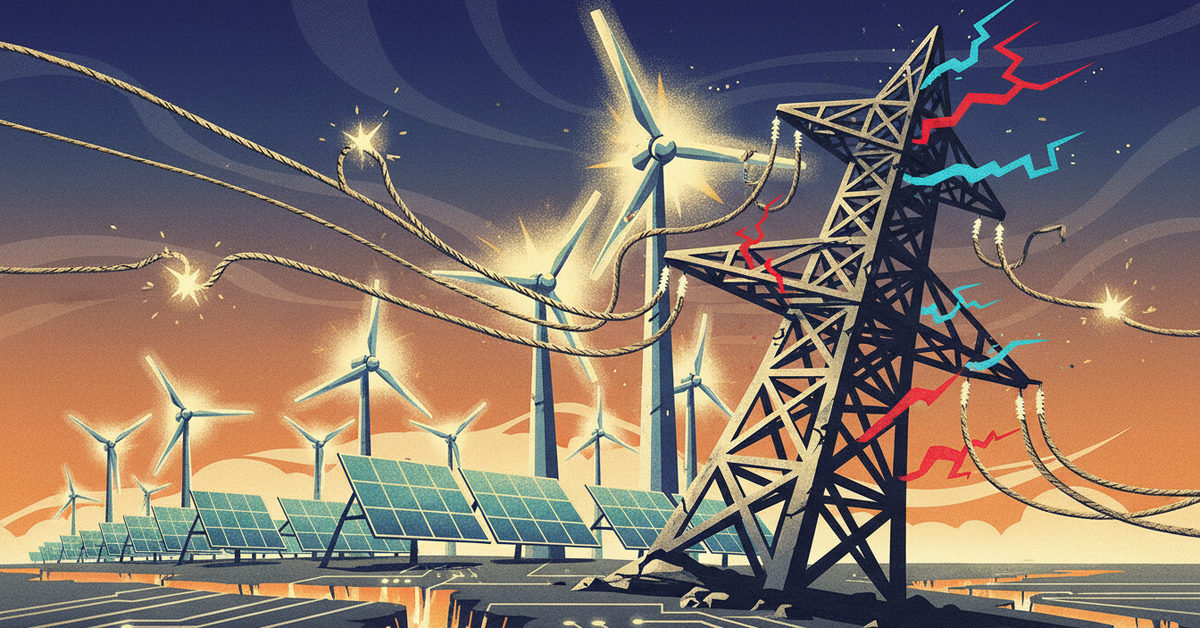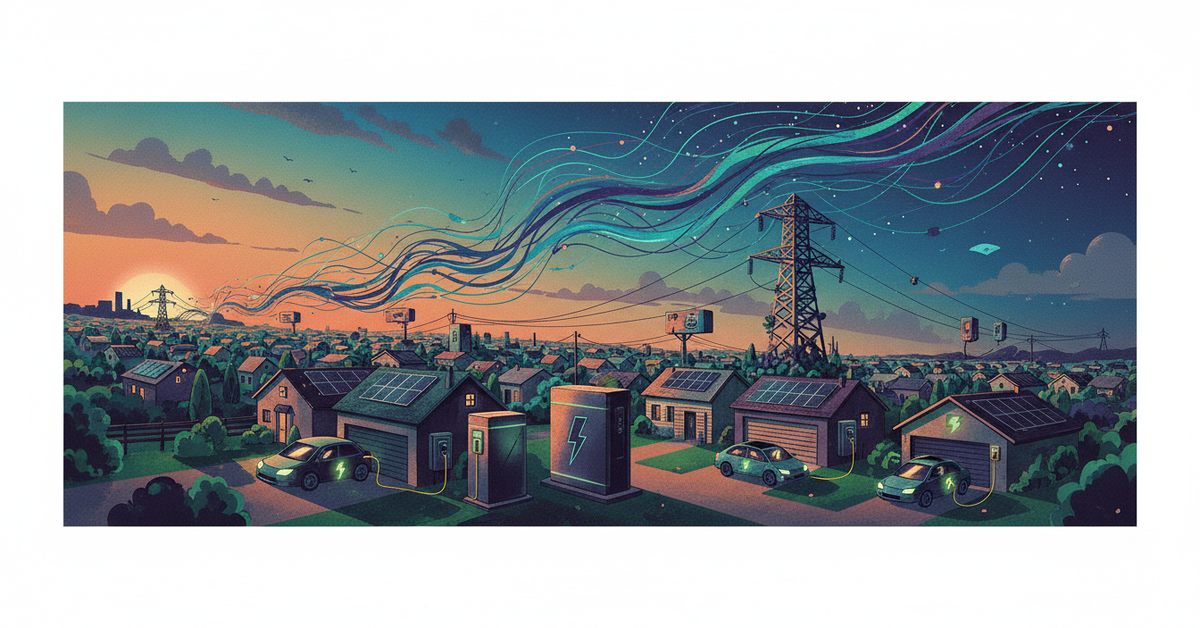
The most potent threat to the long-standing utility monopoly is parked in millions of garages. For decades, power companies operated on a simple premise: generate electricity in large, central plants and sell it to passive consumers. That one-way relationship is being inverted. A trio of technologies—cheaper batteries, intelligent software and electric vehicles (EVs)—is transforming millions of homes and businesses into miniature power stations that can both buy and sell electricity. The old grid is being dismantled from the edges.
The scale of this decentralisation is staggering. The global market for such distributed energy resources is projected to swell from hundreds of billions of dollars to over a trillion dollars in the coming years. In America alone, the number of homes with solar panels on their roofs soared from a relatively small number in the past to millions by 2023. A 2024 study by a consultancy concluded that these resources could absorb America’s entire projected increase in peak electricity demand in the future. For the first time, new economic growth may not require new central power plants.
This shift is enabled by the plummeting cost of storage. Vast battery farms are being connected to national grids to provide stability as intermittent wind and solar power grow. The economics are compelling. In recent years, the cost of fully installed battery-storage projects fell dramatically. In 2024 alone, costs for two-hour systems dropped significantly. This makes batteries an increasingly affordable insurance policy against grid failure. The cost of inaction is stark. In America, power outages cost the economy tens of billions of dollars a year on average in recent years, with the bill hitting a peak of over a hundred billion dollars in 2024.
In America, power outages cost the economy tens of billions of dollars a year on average in recent years, with the bill hitting a peak of over a hundred billion dollars in 2024.
A grid with millions of inputs and outputs is too complex for human control. Artificial intelligence is therefore becoming the system’s brain. Rather than just predicting faults on communication lines, AI is now managing the physical flow of power. AI-driven systems can significantly trim energy usage and carbon emissions in commercial buildings through advanced automation. More importantly, software is creating “virtual power plants” that aggregate thousands of distributed resources—rooftop solar, home batteries and EVs—and command them to act in concert. This allows a fleet of homes to provide the same grid-stabilising services as a gas-fired power plant, but faster and more cleanly.
The most disruptive element may be the EV. Vehicle-to-Home (V2H) systems, which allow a car to power a house during an outage or sell power back to the grid during peak hours, are moving from theory to mass-market reality. One major carmaker has announced that in the near future all its new EVs will have this bidirectional charging capability. It is not alone; other manufacturers already offer such functions. Demonstration projects are already underway using popular EV models. The economic logic for consumers is powerful. Some studies suggest V2H could save an EV owner thousands of dollars in electricity costs over a vehicle’s life. For the grid, millions of EVs represent a vast, distributed battery, smoothing demand far more cheaply than building new infrastructure.
Incumbent utilities are ill-equipped for this new world. Their business models, and the regulations that govern them, were designed for a one-way flow of power and a predictable return on large capital investments. Now they face a future where their customers are also their competitors. In surveys, utility executives nearly unanimously agree their business models must change. They cite archaic regulatory frameworks as the primary obstacle. Rules often penalise homeowners for selling excess power, or create such complex tariff structures that they discourage participation. The political fight will be brutal, pitting these powerful incumbents against a coalition of technology firms and consumer groups demanding a more open market.
To be sure, the utility is not disappearing overnight. It still owns the physical network of poles and wires, a natural monopoly that is difficult and expensive to replicate. The most forward-thinking utilities aim to transform themselves into platform operators—the air-traffic controllers for a decentralised grid. In this model, they would not sell kilowatt-hours but rather earn fees for ensuring reliability, managing data and facilitating energy transactions between their customers. This requires immense investment in digital infrastructure and a complete overhaul of long-standing rules. The risk is that they will be outmanoeuvred by technology firms that are unburdened by legacy assets and a regulated-monopoly mindset.
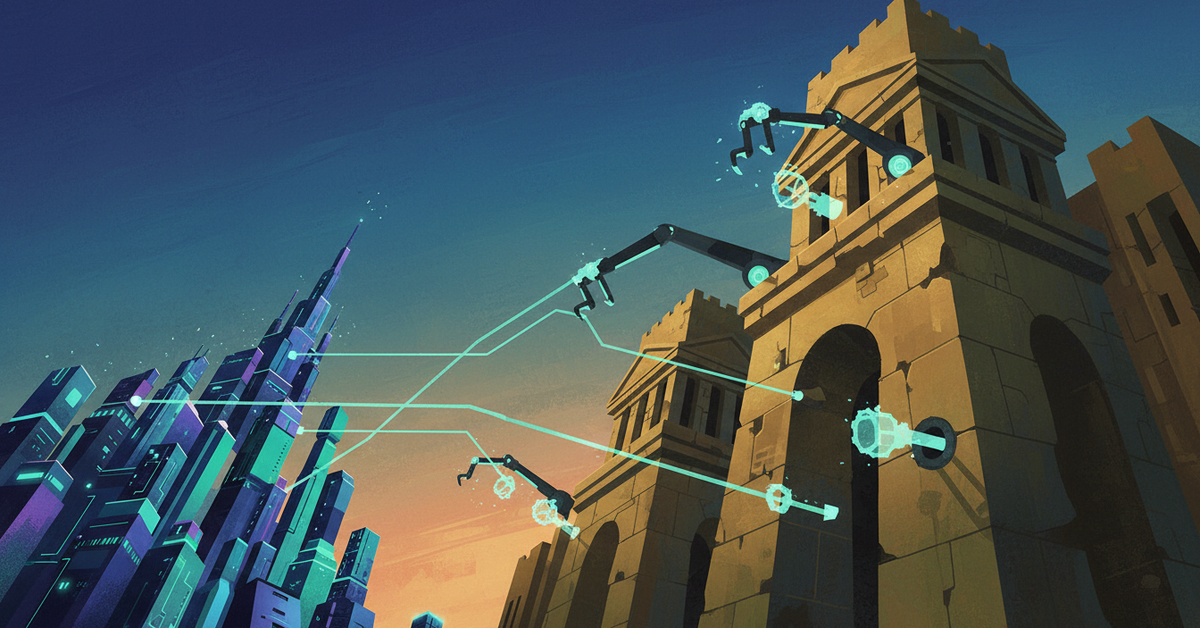
Value is migrating from the simple act of generating a kilowatt-hour to the sophisticated business of managing when and where it is used. The total market for batteries, for both cars and grid storage, is projected to approach hundreds of billions of dollars in the coming years. That is where the new energy giants will be made. The old ones are left maintaining the monuments to a world that has already vanished. The battle is no longer over who generates the most power, but who controls the switch.