Oil futures surged 50% this month. For decades, energy was the ultimate fungible good, its value set by global supply and demand, indifferent to the flag on the tanker that carried it. That era is over. The widening conflict in the Middle East is not just causing a temporary price spike; it is re-engineering the world’s energy trade. A market once defined by barrels and BTUs is fracturing along geopolitical fault lines. Security of supply now commands a steep, and likely permanent, premium.
The evidence is priced in daily. The spread between Brent crude, the international benchmark, and West Texas Intermediate, its American counterpart, has ballooned to $10.60, far beyond its typical $2-6 range. The gap is a pure calculation of risk: the cost of getting oil out of the Persian Gulf versus pumping it from Texas. A barrel from a war zone is not the same as a barrel from a safe harbour.
This new reality is starkest in the Strait of Hormuz. The strait is not formally closed, but it might as well be. War-risk insurance premiums for vessels, a mere 0.25% of a ship’s value in early 2024, have soared to as high as 7.5%, a twelvefold increase. For a single supertanker, that adds up to $3m to the cost of one voyage. Traffic has nearly stalled. The closure is enforced not by mines, but by maths.
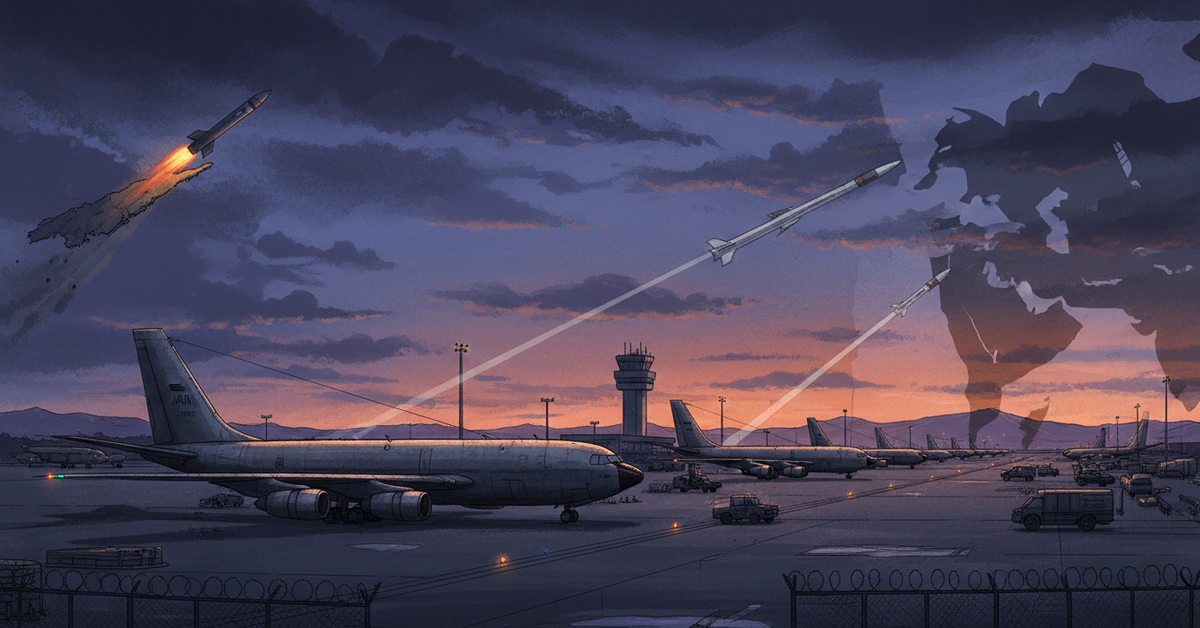
The conflict has also exposed the vulnerability of centralised infrastructure. The missile attack on Qatar’s Ras Laffan complex was an assault on more than just pipelines. It was an attack on the hyper-efficient energy-hub model that has supplied Asia and Europe for a generation. For Qatar, whose foreign policy has long relied on a careful balancing act, the strike was a brutal lesson. In a shooting war, neutrality is no shield.
They must now compete not just on price, but on security guarantees—a difficult promise when their main export artery is the epicentre of the conflict.
The world’s biggest energy consumers are not waiting for the smoke to clear. In Asia, Japan’s JERA and South Korea’s KOGAS, two of the world’s largest buyers of liquefied natural gas (LNG), are accelerating a pivot to America. JERA has inked long-term deals for 5.5m metric tons of American LNG per year by 2030. KOGAS has signed its own contracts, making America its second-largest supplier, ahead of Qatar. These are not spot-market whims. They are multi-decade commitments that reroute global energy flows and lock in a new logic of security over proximity.
This flight to safety presents an acute dilemma for Saudi Arabia and the UAE. While they benefit from higher oil prices in the short term, they risk a long-term erosion of their core Asian markets. Their sales pitch has always been one of reliability. That is now in question. They must now compete not just on price, but on security guarantees—a difficult promise when their main export artery is the epicentre of the conflict. Reassuring statements from Riyadh and Abu Dhabi are being weighed against the hard reality of shipping insurance and the appeal of American contracts backed by the shale fields of Texas.
The Kremlin's budget is a primary beneficiary of the chaos. With fears of war interrupting tanker traffic, Russian oil export prices have climbed to $62 per barrel, comfortably above the $59 benchmark assumed in the finance ministry's 2026 budget. Every drone strike in the Gulf helps fund the war in Ukraine. The halt in production from Qatar, a major LNG competitor, also tightens the global market for gas, increasing the value of Russia's own cargoes. Some analysts project that a prolonged closure of Hormuz could send oil to $108 a barrel, a windfall for Moscow that would dwarf any Western sanctions.
This commercial realignment is happening under an expanding military umbrella. The United States has dispatched its largest military reinforcement to the region since 2003. The deployment of the USS Boxer and thousands of marines in March is a blunt statement that the free flow of oil, once taken for granted, must now be asserted by force. This militarisation of the supply chain further splits the world’s energy into safe and contested zones.
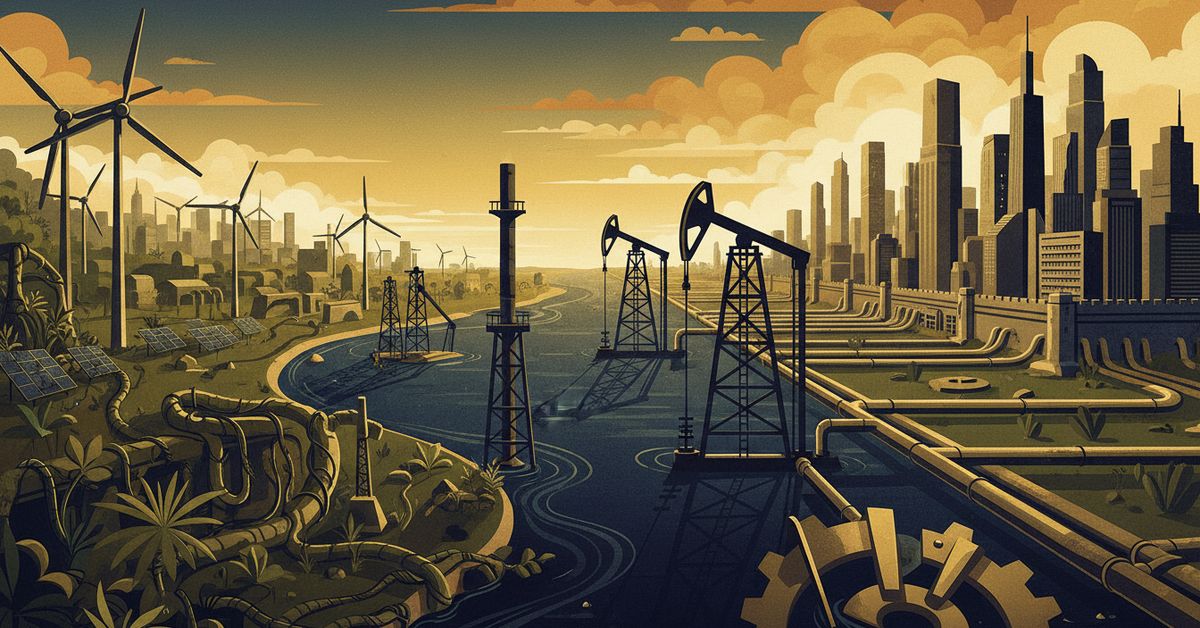
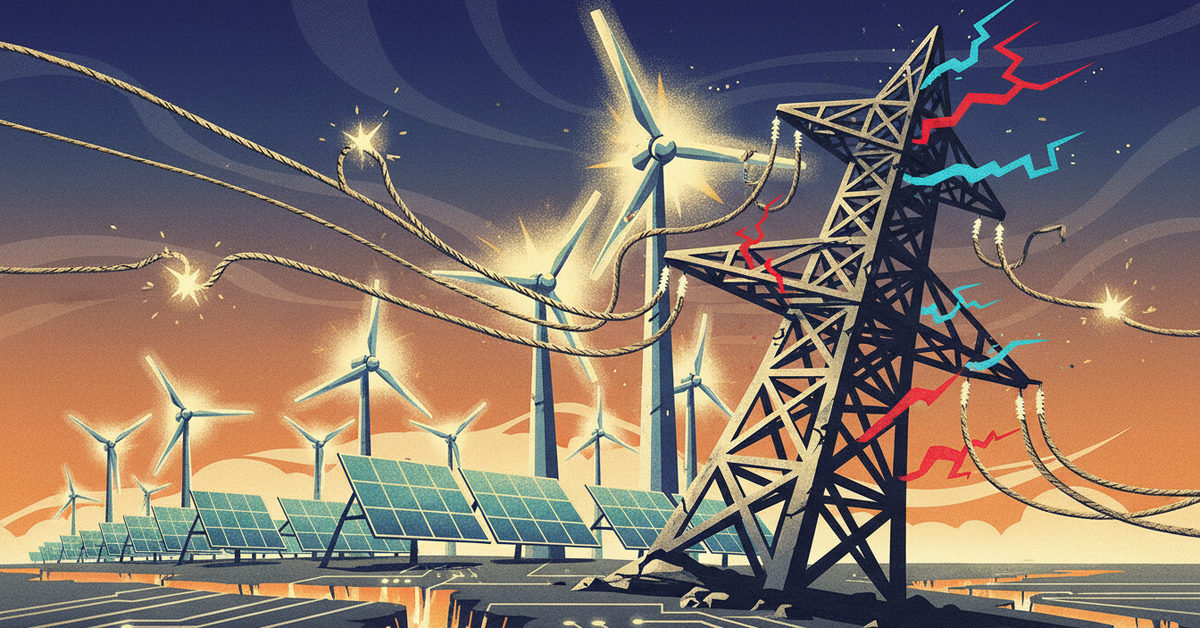
The ultimate response to the new security premium may not be drilled, but built. The crisis is a powerful catalyst for the transition to renewable energy. For decades, the argument for green power was primarily environmental; now it is strategic. As UN Secretary-General António Guterres recently argued, “Homegrown renewable energy... cannot be blockaded or weaponized.” While some nations may react by locking in long-term fossil-fuel contracts from politically stable suppliers, the deeper lesson is the inherent volatility of relying on imported hydrocarbons. The crisis strengthens the case for accelerating investment in solar, wind and grid upgrades, recasting them as instruments of national security.
To be sure, markets have a history of panicking and then recovering. Some will argue that the American naval presence will eventually restore calm and that strategic petroleum reserves can buffer the shock. In this view, the current crisis is a violent but temporary disruption, after which the old logic of fungibility will reassert itself. But this mistakes a symptom for the disease. The attack on Ras Laffan and the effective closure of Hormuz have revealed a structural risk that cannot be unlearned. The memory of this vulnerability will be priced into every future long-term contract.
A new map of energy is being drawn along lines of alliance, not just pipelines. Its logic was laid bare on March 16th, when JERA and KOGAS, fierce commercial rivals, signed an agreement to co-operate on energy security. A KOGAS official confirmed the pact was designed to counter “a potential blockade of the Strait of Hormuz” and that the firms would pursue LNG cargo swaps. When competitors must plan to share fuel to survive a blockade, the market has changed for good. The most valuable commodity is no longer the fuel itself, but a supplier you can trust.